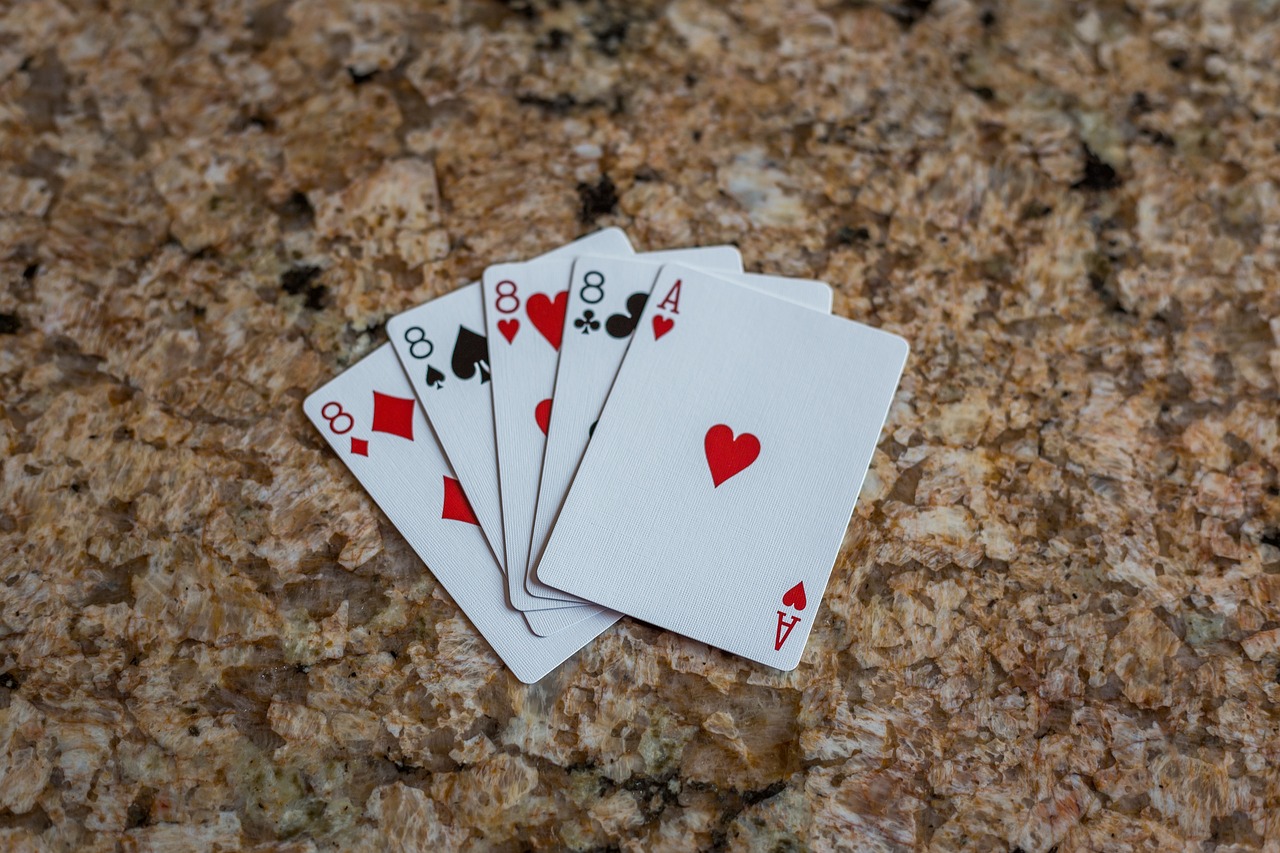


Most people lose at casino games for one reason: they treat them as entertainment and emotion instead of math and discipline. That's not a moral judgment—it's just the reality that separates the small percentage of players who last from the majority who reload their balance and wonder what went wrong. Whether you're spinning slots at 3 a.m. or grinding a low-stakes poker table, the same principles apply. Understand the odds, control your bankroll, and never let a bad beat dictate your next decision. Let's break down what actually matters.
Every casino game has a built-in advantage for the operator, and it varies wildly depending on what you play. If you sit at a blackjack table with basic strategy, the house edge can drop to around 0.5 percent. Play American roulette and it's 5.26 percent. Play keno and you're staring at a 25 to 35 percent edge, which is essentially a donation. Take a look at สล็อต for a fuller picture.
Slots are trickier because the edge is baked into the RTP (return to player), usually between 92 and 97 percent on modern online machines. That sounds fine until you realize a 96 percent RTP means the house keeps four dollars for every hundred wagered—and over thousands of spins, that math is relentless. A 3 percent difference between two machines might not feel like much in a single session, but over 10,000 spins at $1 each, you're talking about a $300 swing.
The takeaway is simple: choose your battles. If you're playing for entertainment, fine—but know what you're paying for it.
You can't control variance, but you can control how much ammunition you bring to the fight. Bankroll management is the unsexiest topic in gambling, and it's the one that actually keeps people in the game.
Here's a framework that works across poker, sports betting, and table games:
Variance is brutal. A good poker player can lose for weeks. A sharp bettor can drop 15 units in a month. The only way to survive those stretches is to bet small enough that they don't end your run.
Slot players love talking about graphics, bonus rounds, and Megaways mechanics, but the number that actually matters is volatility. High-volatility slots pay less often but can hit massive. Low-volatility slots pay frequently but in smaller amounts. Neither is "better"—they just suit different temperaments and bankrolls.
If you have a $100 bankroll and want a session that lasts a few hours, low-volatility games with 96 percent RTP are your friend. If you're chasing a jackpot and don't mind busting fast, high-volatility is the play. What you should never do is grind a high-volatility slot with a tiny bankroll and expect a long session—the math doesn't care about your hopes.
Also worth noting: max bet doesn't always mean better odds. Some progressive jackpots require max bet to qualify, but on standard slots, bet size scales payouts proportionally. Read the paytable. It's boring advice, but it's free money in the long run.
Poker is the one game in the casino where a skilled player can genuinely beat the house—because you're not playing the house, you're playing other people. The rake takes its cut, sure, but the money flows between players.
The biggest mistake recreational poker players make is playing too many hands. In a full-ring $1/$2 game, a solid tight-aggressive player might see 18 to 22 percent of flops. A losing player sees 45 percent and wonders why they keep getting rivered.
Position is everything. Playing from the button versus playing from the small blind is a completely different game. And if you're not paying attention to bet sizing tells and timing tells, you're leaving money on the table.
Online poker adds another layer: HUDs, tracking software, and multi-tabling. If you're playing micro-stakes online, expect to face grinders who know the math cold. The good news is that the same players often over-fold to aggression in obvious spots—so pick your battles and exploit the patterns.
If you're betting sports and only using one sportsbook, you're costing yourself money. Line shopping—comparing odds across multiple books—is one of the few guaranteed edges in betting. Getting -105 instead of -110 on a coin-flip bet doesn't sound like much, but over 500 bets it's the difference between profit and loss.
Closing line value (CLV) is the metric sharp bettors care about most. If you consistently beat the closing line, you're likely a winning bettor long-term, even if short-term results are noisy. That means betting early when you spot value, not waiting until game time when the market has corrected.
Avoid parlays unless you understand the math. Correlated parlays can be profitable in niche cases, but standard parlays are a tax on hope. The same goes for teasers—they look safe, but the adjusted odds usually aren't worth it.
Gambling isn't magic, and it isn't luck—not entirely. The players who last are the ones who respect the math, manage their money, and treat every session as a series of decisions rather than a roll of the dice. You don't need to be a genius. You just need to be disciplined, informed, and honest with yourself about why you're playing.
If you're in it for entertainment, set a budget and enjoy it. If you're in it to win, study the games, track your results, and never bet more than you can afford to lose. The house edge is real, but so is your ability to manage it. That's the difference between a player and a victim.

The Greenwood Journal shares practical, down-to-earth guidance on traditional coppicing, woodland management and green woodcraft in the uk. for readers across the UK.


Leave A Comment